Green Fish: A Seasonal Embroidery Gem for Holiday Makers
First Impressions: Playful, Fresh, and Unexpectedly Festive
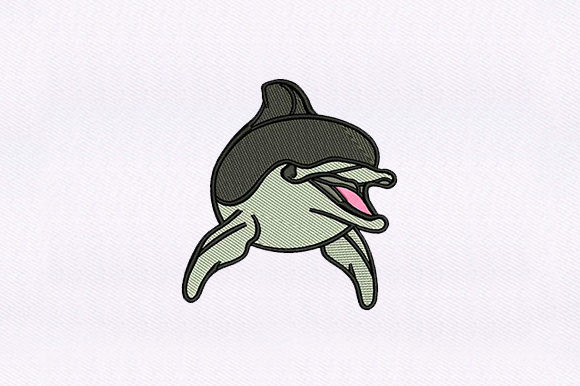
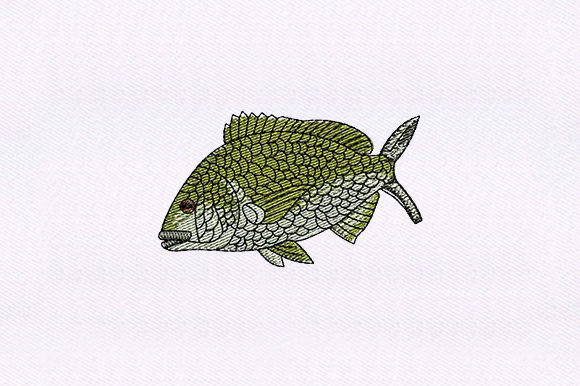
As an embroidery designer who’s curated seasonal collections for over a decade, I opened Green Fish expecting charm—and found something more: quiet confidence. It’s not overtly holiday-themed, yet its clean lines, balanced proportions, and organic flow make it feel inherently festive in the best way—like a hand-painted ornament or a whimsical stocking stuffer. The design leans into playful elegance rather than cartoonish cuteness. There’s no glitter, no snowflakes, no Santa hats—but there’s warmth, movement, and a subtle sense of abundance that resonates deeply during gift-giving season. It feels nostalgic without being dated, modern without being cold, and premium without demanding luxury pricing.
Real-World Seasonal Use: Where Green Fish Shines
I tested Green Fish across six product types I’m launching this holiday season—and it performed beautifully on most. On heavyweight cotton sweatshirts (especially forest green and cream), it stitched cleanly with excellent definition. As a tote bag design, it added instant personality to neutral canvas—ideal for eco-conscious shoppers and craft fair buyers. On linen kitchen towels, it softened the utilitarian vibe into something heirloom-worthy. As a pillow cover motif, it brought life to minimalist holiday decor. And as an embroidered patch, it became a standout detail on denim jackets and baby bibs—perfect for family matching sets.
For Etsy sellers and small shop owners, Green Fish is a quiet workhorse. It pairs effortlessly with botanical motifs, monograms, or simple text (“Joy,” “Gather,” “Home”) for cohesive bundles. I used it alongside a coordinating leaf motif to build a “Forest & Feast” holiday collection—no forced theme, just natural harmony. Social media previews showed strong engagement: customers commented on its “calm energy” and “unexpected joy.” In printable mockups, it translated well across light and dark backgrounds—making it versatile for digital listings and printed promotional graphics.
Where to Use Green Fish Thoughtfully
Like any strong machine embroidery design, Green Fish has sweet spots—and boundaries. Its detail level means it’s not ideal for tiny hoops under 4x4 inches unless simplified. I avoided using it on thick terry cloth towels without heavy cutaway stabilizer—the density can cause puckering. On dark fabric, I recommend testing thread colors first: emerald greens pop, but olive or sage can recede. Metallic thread? Tempting—but only on stable, non-stretch fabrics like twill or felt; otherwise, the design’s curves risk skipped stitches.
It’s also not my top pick for curved surfaces like baseball caps or stretchy knits (think holiday leggings or ribbed baby onesies) unless you’re confident in your hooping technique and backing. Dense stitch areas—particularly around the tail fin—need proper stabilizer support to prevent shadowing on lightweight fabrics. And while it holds up beautifully after washing on stable cottons and linens, I’d avoid placing it on high-friction zones (elbows, knees) for heavily used apparel.
How Green Fish Elevates Your Holiday Product Strategy
In a crowded holiday market, Green Fish helps handmade gifts stand out through emotional resonance—not loudness. Buyers connect with its gentle rhythm and organic shape. It signals craftsmanship, intention, and care—traits that boost perceived value and customer trust. Unlike trend-driven designs that age quickly, Green Fish supports long-term brand consistency: use it now on ornaments and next spring on garden aprons. That versatility means fewer seasonal reworks and more repeat customers.
Its visual recognition is strong but not overwhelming—ideal for shops building a signature aesthetic. When paired with warm neutrals or muted jewel tones, it reads as thoughtful, not trendy. For personalized gifts, it layers gracefully with names or dates without competing. And because it’s a single-motif digital embroidery file, it scales easily across product lines—from 3-inch ornaments to 8-inch pillow covers—without licensing complications (always verify Creative Fabrica’s current commercial terms before selling finished products).
Practical Designer Notes for Holiday Production
- Test thread colors on both light and dark fabric swatches—especially if offering multiple garment options.
- Check stitch density in the file preview: if dense, opt for medium-weight cutaway stabilizer on midweight fabrics.
- Confirm hoop size before digitizing adjustments—some versions may require 5x7 or larger for full fidelity.
- Use proper stabilizer for your base fabric: tear-away for stable wovens, cutaway for knits, and water-soluble for delicate layers.
- Create realistic printable mockups showing Green Fish on actual product types—not just white backgrounds—to improve Etsy conversion.
- Review small details post-stitch: fins, eyes, and curve transitions should be crisp, not fuzzy or flattened.
- Plan a cohesive matching color palette across your holiday line—emerald, charcoal, oat, and clay worked beautifully for my test run.
- Always double-check Creative Fabrica’s product page for file formats, included sizes, and commercial use clarity before listing finished product.
Final Thought: A Quiet Anchor for Your Seasonal Collection
Green Fish won’t shout from the shelf—but it will hold attention, invite touch, and linger in memory. For Etsy sellers, craft fair vendors, and small business owners building meaningful holiday offerings, it’s more than a Creative Fabrica embroidery: it’s a flexible, emotionally intelligent tool. It fits seamlessly into handmade gift boxes, becomes a cherished detail on personalized apparel, and adds quiet sophistication to home goods. In a season defined by noise and haste, Green Fish offers calm, character, and craft—exactly what discerning holiday shoppers are seeking.