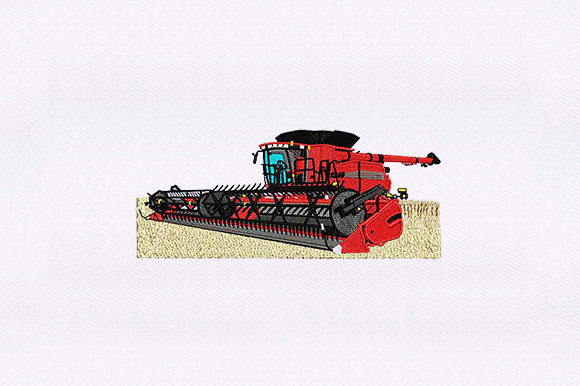
Harvester Embroidery Design Review
A Thoughtful First Impression for Boutique Apparel
As an embroidery designer who’s developed collections for small clothing brands and Etsy sellers over the past decade, my first glance at Harvester stopped me mid-scroll. It’s not just another farm-themed motif—it carries a quiet confidence. The visual personality leans rustic yet refined, with layered botanical and agricultural elements that suggest harvest season without leaning into cliché. There’s a gentle balance between intricacy and wearability: fine line work, subtle texture in the stitching, and intentional negative space that keeps it from feeling heavy on fabric. It reads as premium—not overly ornate, not minimal to the point of anonymity—but rich enough to elevate a neutral sweatshirt into something memorable.
Sweatshirt & Hoodie Performance: Where Harvester Shines
Sweatshirt embroidery is where Harvester truly proves its versatility. On heavyweight cotton-blend hoodies, it holds structure beautifully—especially when placed on the chest. The design’s moderate width and vertical rhythm make it ideal for standard chest placement (think 3.5–4.5 inches wide), while still allowing room for coordinated text or monograms if your boutique brand uses signature typography. I also tested it as a sleeve accent on oversized hoodies: scaled down to ~2.75", it adds artisanal detail without overwhelming the garment’s drape.
For back designs on crewneck sweatshirts or relaxed-fit hoodies, Harvester works well centered or slightly off-center—its organic shape avoids rigidity, so it feels intentional, not templated. As a hoodie design, it pairs naturally with earth-toned thread colors (olive, burnt sienna, charcoal) but gains unexpected freshness against soft pastel heather hoodies—especially lavender or oatmeal. On dark apparel like navy or charcoal fleece, high-contrast thread (cream or warm white) makes the detail pop without glare.
Beyond Sweatshirts: Totes, Denim, and Seasonal Layers
Harvester translates elegantly to other lifestyle pieces. On canvas tote bags, it anchors the front panel with grounded charm—ideal for farmers’ market vendors or eco-conscious boutiques. Stitch density feels balanced: dense enough to read clearly at arm’s length, but not so heavy that it stiffens the fabric. On denim jackets, it sits cleanly over seams and pockets when hooped carefully, especially with medium-weight cutaway stabilizer.
For t-shirt embroidery, I recommend using it on midweight or structured tees—not ultra-thin jersey—due to its level of detail. It reads best on ribbed fabric when stabilized properly; test stitch density on scrap first, as some areas carry delicate interior lines that may sink into deep ribs if under-stabilized. On cozy seasonal outfits—think cable-knit cardigans or brushed fleece pullovers—Harvester adds tactile warmth and story without competing with texture.
Design Nuances That Build Brand Trust
What makes Harvester more than decorative? Its consistency across applications. Whether used on an Etsy listing thumbnail, a printable mockup, or a lifestyle product photo, it maintains legibility and emotional tone. That reliability builds buyer trust: customers recognize your aesthetic instantly, whether scrolling Instagram or browsing your Shopify collection. For small shop owners, this kind of visual consistency reduces decision fatigue—you’re not rethinking “what goes here?” every time you add a new item.
It also supports brand identity without shouting. Unlike bold script logos or cartoonish icons, Harvester whispers craftsmanship. That subtlety appeals to shoppers seeking handmade product integrity—especially those drawn to slow fashion, local agriculture, or cottage-core aesthetics. When paired with thoughtful thread colors and clean placement, it positions your custom apparel as intentional, not incidental.
Practical Designer Notes Before You Stitch
Before committing to production, always:
- Test on scrap fabric matching your final garment’s weight, stretch, and finish—especially important for fleece or ribbed fabric;
- Confirm stabilizer choice: medium-weight cutaway works well for most sweatshirt embroidery, but lightweight tear-away may suffice on stable cotton tees;
- Review thread color contrast on dark garments—some details vanish if thread blends too closely with base fabric;
- Check hoop size requirements in the Creative Fabrica embroidery file details—this affects placement flexibility on curved surfaces like hoods or sleeves;
- Inspect stitch density visually in your embroidery software: look for potential crowding in tight botanical loops or lettering (if included);
- Compare placement options on a physical garment mockup—not just digital previews—to gauge how Harvester flows with drape and seam lines;
- Verify licensing terms on Creative Fabrica before selling finished product—commercial embroidery rights are essential for boutique brands and Etsy sellers.
Where to Use Harvester With Care
While versatile, Harvester benefits from mindful application. Avoid placing it directly over high-stretch zones (like underarm seams or waistbands) unless you’ve tested stabilization thoroughly. Tiny lettering within the design—if present—may require magnification during digitizing review; confirm clarity at intended scale. On curved surfaces (e.g., hoodie pockets or rounded tote bases), slight repositioning or minor scaling adjustments often improve visual flow. And remember: intricate machine embroidery design details can soften on very fuzzy or napped fabrics—always sample first.
Final Thoughts for Creative Entrepreneurs
If you're curating a cohesive, story-driven collection—whether for a seasonal capsule, a local farm co-op collab, or your own handmade product line—Harvester delivers quiet authority. It doesn’t dominate the garment; it belongs there. That sense of belonging is what turns a simple sweatshirt into a piece customers photograph, tag, and return to season after season. As a Farm-category Embroidery file, it honors tradition without nostalgia overload—and as a digital embroidery file, it’s built for real-world execution. Just bring your attention to detail, your knowledge of fabric texture, and your respect for the craft. The rest—brand recognition, customer engagement, professional presentation—follows naturally.