Labrador Retriever Embroidery Design Review
First Impressions: Warm, Timeless, and Instantly Recognizable
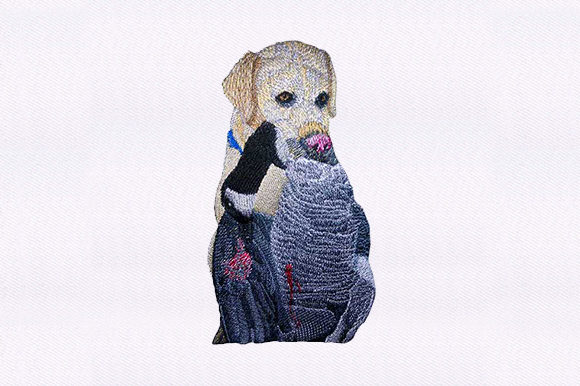
As an embroidery designer who’s tested hundreds of dog-themed files for personalized gift shops, the Labrador Retriever design stands out—not with flashiness, but with quiet confidence. It radiates gentle charm and approachable sweetness, striking that rare balance between playful and elegant. The silhouette feels hand-drawn yet precise, with soft curves in the ears, expressive eyes, and a relaxed posture that reads as loving—not stiff or overly stylized. It doesn’t scream “trendy”; it whispers “forever favorite.” That’s exactly what makes it ideal for meaningful handmade products: baby embroidery, wedding gifts, nursery decor, or family keepsakes where emotional resonance matters more than novelty.
Where This Labrador Retriever Design Truly Shines
This machine embroidery design adapts beautifully across product categories—especially those where warmth and personal connection drive purchase decisions:
- Baby embroidery: Stitched on organic cotton blankets or onesies, the Labrador Retriever evokes tenderness and loyalty—perfect for a new parent’s first heirloom piece.
- Wedding gift: Embroidered on linen pillow covers or monogrammed kitchen towels, it adds heartfelt personality to a couple’s shared love of dogs—no cliché required.
- Nursery decor: On muslin wall hangings or quilt blocks, its friendly presence supports a calm, joyful space without overwhelming the palette.
- Embroidered towel & apron: Its moderate scale and balanced stitch density hold up well on terry cloth and midweight cotton—ideal for small shop products sold at craft fairs or Etsy listings.
- Custom tote bag & pillow cover: Clean lines and confident proportions translate clearly even at 4–5 inches wide, making it highly photogenic for digital marketing and printable mockups.
Smart Placement Matters—Here’s What to Watch For
While versatile, the Labrador Retriever design isn’t universally forgiving—and that’s okay. Knowing its limits helps you deliver consistent, professional finished products:
- Small lettering or fine details: Avoid pairing it with tiny text (under ¼") unless you’ve confirmed the embroidery file includes clean, legible font options. Stick to standalone use or simple initials nearby.
- Textured fabric: On heavily napped terrycloth or thick canvas, test stitch density first—excess stitching can flatten texture or cause puckering. A medium-weight cutaway stabilizer is your best friend here.
- Stretchy baby clothes: Use light tear-away + topping stabilizer combo. The design’s smooth contours handle gentle stretch well—but always pre-test on scrap knit fabric before committing to a onesie.
- Curved surfaces (mugs, hats): Not recommended unless the file includes a specifically adapted version. Standard flat-hoop Labrador Retriever files aren’t optimized for distortion-free wraparound application.
- Dark fabric: Light thread colors (ivory, pale gold, soft gray) lift beautifully—but verify contrast in your mockup. A single-pass satin stitch eye may fade on black; consider doubling or switching to matte thread.
- Frequent washing: Confirm commercial licensing if selling embroidered towels or blankets. Also, check whether the file uses secure underlay and lock stitches—critical for long-term durability in laundered handmade products.
Why Customers Trust This Design—Before They Even See the Stitching
There’s something deeply intuitive about choosing a Labrador Retriever for a personalized gift. It signals kindness, reliability, and quiet joy—qualities buyers instinctively associate with thoughtfulness. When displayed on your Etsy seller page or boutique shelf, this design elevates perceived value: it doesn’t look like clip art or generic vector art. It looks like intentional custom embroidery—hand-selected, carefully scaled, and emotionally grounded. That impression translates directly into higher engagement: longer dwell time, saved listings, and repeat customers requesting matching sets (e.g., blanket + pillow cover + embroidered onesie). In product photography, its balanced composition and clear negative space make it easy to style—no frantic cropping needed.
Practical Embroidery Notes Every Maker Should Run Through
Before adding the Labrador Retriever to live inventory or customer orders, run these quick checks:
- Test on scrap fabric matching your intended product—especially for textured, stretchy, or dark materials.
- Verify thread color contrast using both light and dark fabric mockups. Subtle tones can disappear without side-by-side comparison.
- Confirm hoop size compatibility—does it fit comfortably in your most-used hoop? If not, resize proportionally (never stretch).
- Review stitch density: Is it dense enough for coverage on terry cloth, but not so heavy it overwhelms lightweight cotton?
- Use proper stabilizer—cutaway for knits and towels, tear-away for stable wovens, topping for fuzzy fabrics.
- Check small details post-stitch: Are the eyes crisp? Does the nose definition hold? Re-hooping or re-digitizing minor elements may be needed for ultra-premium finishes.
- Confirm commercial licensing before selling finished products. If unclear, contact the source—never assume.
A Design That Builds Connection—Not Just Inventory
The Labrador Retriever isn’t just another digital embroidery file. It’s a quiet bridge between maker and customer—a shared language of comfort, loyalty, and everyday love. Whether stitched onto a baby blanket passed down through generations or a wedding keepsake hung beside a framed photo, it carries weight beyond thread count or hoop size. For Etsy sellers, small shop owners, and crafters building trusted brands, choosing designs like this isn’t about filling listings—it’s about curating meaning. And when your customers feel that intention in every stitch, they don’t just buy a personalized gift. They remember who made it.