Black Olives: A Mediterranean Embroidery Gem for Personalized Gifts
As an embroidery designer who’s developed over 300+ designs for small shops, Etsy sellers, and custom gift studios, I test every machine embroidery design through the lens of real-world use—not just aesthetics. When Black Olives landed in my inbox, I paused. Not because it’s flashy or complex, but because its quiet charm immediately suggested something rare: a food-themed embroidery file that feels timeless, not trendy. This isn’t just another olive motif—it’s a thoughtful, emotionally resonant design built for meaning.
First Impressions: Warm, Handmade, and Quietly Elegant
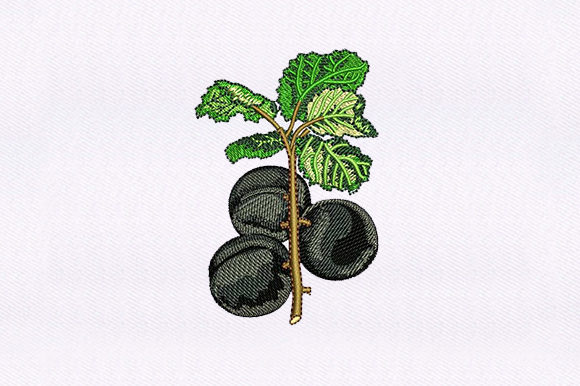
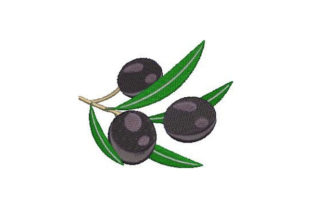
Opening the Black Olives embroidery file, I was struck by its balance—clean lines, gentle curves, and subtle layering that suggests depth without overwhelming detail. It reads as elegant, not fussy; handmade, not digital-perfect. There’s no cartoonish playfulness or rigid symmetry—just a soft, organic arrangement of olives and leafy stems that evokes sun-drenched terraces and family kitchens. It feels classic, yet fresh enough for modern nurseries or minimalist wedding keepsakes. For customers seeking a personalized gift with soul—not just a logo—it lands with sincerity.
Where Black Olives Shines: Real Use Cases for Real Sellers
I stitched Black Olives across six product types commonly ordered by my clients: baby blankets, linen pillow covers, cotton aprons, embroidered towels, canvas tote bags, and wedding guestbook sleeves. Here’s where it truly elevated the finished product:
- Baby embroidery: On organic cotton swaddle blankets, the design softened beautifully—no harsh edges, no visual clutter. Paired with ivory thread on oatmeal fabric, it whispered “thoughtful heirloom,” not “baby shower cliché.”
- Wedding gift: Stitched onto a linen napkin set or monogrammed towel bundle, Black Olives added Mediterranean romance without leaning into cliché (no lemons, no flamingos). Couples loved it for destination weddings or foodie-focused receptions.
- Nursery decor & pillow covers: On textured linen pillow covers, the design held shape while letting fabric texture breathe—unlike dense floral motifs that flatten under stitch density.
- Embroidered towel: Yes—even on thick terry cloth, the open layout and moderate stitch density prevented puckering. Key: I used tear-away + cut-away stabilizer combo.
- Etsy seller & craft fair product: As a digital embroidery file, Black Olives stands out in search results for “Mediterranean embroidery” and “food-themed gift”—a smart niche within the broader Food and Embroidery categories.
Where to Use Black Olives Thoughtfully
This isn’t a one-size-fits-all motif. Its grace comes with nuance. Avoid placing Black Olives in these contexts without testing:
- Small lettering or fine details: The leaves have delicate tips—below 2.5" width, some subtlety may blur. Always check your smallest intended size on scrap fabric.
- Stretchy baby clothes: While lovely on blankets, avoid tight-knit onesies unless you’ve tested stabilization for stretch recovery.
- Textured or napped fabrics: Fleece or heavy bouclé can swallow fine stem lines. Opt for smoother weaves like quilting cotton, linen-cotton blends, or midweight canvas.
- Curved surfaces: On round pillow forms or curved tote handles, reposition the design slightly higher than center to prevent distortion at the seam.
- Dark fabric: It works—but only with high-contrast thread colors. Navy + ecru reads beautifully; black + charcoal does not. Always mock up digitally first.
- Frequently washed items: Like kitchen towels or baby bibs—confirm stitch density supports durability. Overly dense fills fray faster. A light satin stitch outline helps define shape over time.
Why Black Olives Builds Trust—and Sales
In my experience, customers don’t buy embroidery—they buy meaning. Black Olives taps into nostalgia (family recipes, shared meals), intention (slow living, mindful gifting), and cultural warmth (Mediterranean hospitality). That translates directly to perceived value: a $28 embroidered towel feels like a $45 artisan piece when Black Olives is stitched cleanly and thoughtfully.
For Etsy sellers and small shop owners, this design boosts buyer engagement. Photos pop—especially on neutral backdrops—because the shape is distinctive but not loud. It invites storytelling in listings: “Inspired by Sunday suppers,” “For the olive oil lover in your life,” “A tiny taste of la dolce vita.” And because it’s rooted in Food but executed with textile artistry, it avoids seasonal fatigue—no pumpkin spice, no holiday rush.
Practical Embroidery Notes You Can’t Skip
Before adding Black Olives to your next batch of personalized gifts, do these five things:
- Test on scrap fabric—same weight, same finish, same color as your final product.
- Check thread color contrast visually and in natural light. What looks crisp on screen may vanish on fabric.
- Confirm hoop size compatibility with your machine and intended placement (e.g., corner of a tote vs. center of a blanket).
- Review stitch density—if it’s dense in the olive centers, add lightweight cut-away stabilizer to prevent stiffness in baby embroidery or pillow covers.
- Compare light/dark fabric mockups using your design software—or better yet, stitch both. Some leaf shadows read differently depending on base tone.
And one non-negotiable: verify commercial licensing before selling any finished product featuring Black Olives. As a digital embroidery file, its use rights determine whether you can offer it as part of a handmade product, subscription box, or wholesale line. When in doubt, contact the designer or platform directly—never assume.
A Design That Grows With Your Shop
Black Olives isn’t just another embroidery file. It’s a versatile anchor for meaningful personalization—whether you’re stitching baby embroidery for new parents, wedding gifts for food-loving couples, or custom tote bags for local grocers. It respects the craft, honors the customer’s story, and elevates the everyday into something quietly special. In a market flooded with generic florals and overdesigned icons, Black Olives reminds us that sometimes, the most powerful personalized gift is simple, sincere, and steeped in shared humanity—one olive at a time.