Suiting Devil: A Thoughtful Embroidery for Meaningful Gifts
As an embroidery designer who’s helped over 200 small shops bring personalized gifts to life—from baby blankets stitched with tiny initials to wedding pillow covers embroidered with monograms—I approached Suiting Devil with both curiosity and care. This isn’t just another Halloween-themed machine embroidery design. It’s a nuanced, expressive piece that walks the line between playful charm and quiet sophistication—and that balance makes it unusually versatile for handmade product sellers.
First Impressions: Sweetly Mischievous, Not Scary
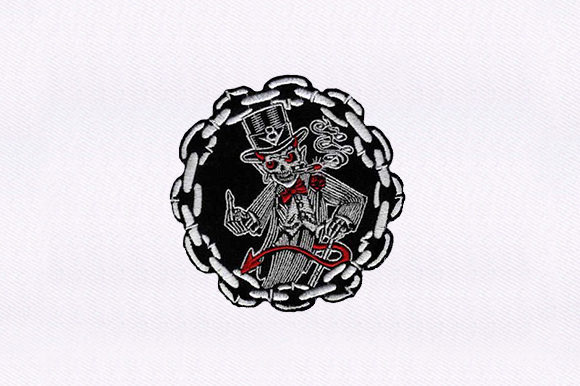
The moment I loaded the Suiting Devil embroidery file into my software, I smiled. It doesn’t lean into cartoonish horns or exaggerated fangs. Instead, it offers a softly stylized figure in a miniature tailored suit—tiny bow tie, subtle smirk, eyes that wink rather than leer. The mood is playful, yes—but also elegant, handmade, and quietly modern. There’s no dated clipart energy here. The detail level is thoughtful: fine satin-stitched lapels, balanced fill areas, and clean outline work that holds up beautifully at medium sizes (4–5 inches). Emotionally, it feels like a gentle inside joke—ideal for customers who want personality without kitsch.
Where Suiting Devil Shines in Personalized Gifting
This design excels where emotional resonance meets practicality. Here’s how it translates across real-world products:
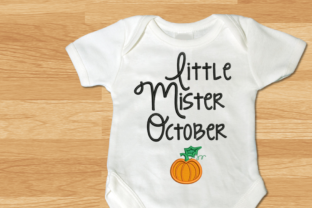
- Baby embroidery: Stitched on organic cotton swaddle blankets or onesies (with careful placement away from seams), Suiting Devil becomes a charming birth announcement motif—especially for October babies or families who love whimsical nursery themes.
- Wedding gift: On linen pillow covers or monogrammed hand towels for the couple’s new home, it adds wit and warmth. Paired with a classic script monogram, it transforms from “Halloween” into “timeless heirloom with character.”
- Nursery decor & keepsakes: Framed in a hoop as wall art or stitched onto a muslin storybook bag, it invites storytelling—not frights. Parents appreciate designs that grow with their child’s imagination.
- Embroidered towel & apron: Its balanced stitch density ensures crisp definition on terry cloth and midweight linen-cotton blends—no sinking or distortion. Great for boutique kitchen sets or bridal shower favors.
- Tote bags & pillow covers: Works beautifully centered on natural canvas or oatmeal linen. The suit motif reads as intentional design, not seasonal filler—making it shelf-ready year-round.
- Etsy seller & craft fair appeal: Because it avoids obvious holiday tropes, Suiting Devil stands out in search results for “whimsical embroidery,” “custom baby gift,” or “unique wedding pillow.” It invites engagement—not just clicks.
Where to Use Suiting Devil With Intention
Like any strong design, Suiting Devil rewards thoughtful application. Avoid using it:
- On stretchy baby clothes without proper stabilizer—fine details like the bow tie may pucker;
- In very small lettering (under 1.5 inches)—delicate features lose clarity;
- Directly on thick, napped towels without topping stabilizer—fill areas need lift to stay visible;
- Across highly textured fabric (like bouclé or heavy jacquard) unless tested first—the design’s charm lives in its clean lines;
- On curved surfaces (e.g., curved tote handles or rounded mugs with heat-transfer embroidery) without digitizing adjustments;
- Over dark fabric without confirming thread color contrast—light grays or creams may fade visually unless paired with tonal or metallic threads;
- In products meant for frequent washing without securing backstitching and using high-retention polyester thread.
Why Suiting Devil Builds Trust—and Sales
When your customer sees Suiting Devil on a finished product photo, they don’t just see stitching—they see intention. That matters deeply for handmade brands. It signals you curate designs with emotional intelligence, not just seasonal trends. Customers trust shops that offer personalized gifts with layered meaning—and this design delivers that quietly. In product photography, its clean silhouette pops against neutral backdrops, making mockups feel premium. On Etsy listings, it encourages longer dwell time: buyers pause, smile, imagine it on *their* blanket or *their* guest towel. That emotional connection directly lifts conversion—and repeat orders.
Practical Embroidery Notes Before You Stitch
Before adding Suiting Devil to your next batch of custom orders, take these steps:
- Test on scrap fabric matching your final product—especially if using terry, linen, or knit.
- Check thread color contrast on both light and dark fabric swatches. Consider richer charcoal or navy threads for depth on ivory linens.
- Confirm hoop size compatibility with your machine—some versions may require 5x7" or larger.
- Review stitch density in your embroidery software. If fills appear overly dense for lightweight fabrics, adjust underlay or reduce density slightly.
- Use appropriate stabilizer: cutaway for knits, tear-away for stable wovens, and topped + cutaway for terrycloth.
- Compare light/dark fabric mockups side-by-side—you’ll spot visibility gaps before stitching your first customer item.
- Inspect small details post-stitch: bow tie symmetry, eye clarity, and edge sharpness tell customers you care about craftsmanship.
- Verify commercial licensing before selling finished products. As a digital embroidery file, Suiting Devil must be cleared for resale in physical goods—don’t assume.
Ultimately, Suiting Devil isn’t just a Halloween embroidery—it’s a storytelling tool. For baby product creators, it softens tradition with charm. For wedding gift designers, it adds levity without sacrificing elegance. For Etsy sellers and small shop owners, it’s a quietly distinctive asset—one that helps your handmade product stand apart, connect deeper, and keep selling long after October ends.