Flying Skull Wings Embroidery Review
A Bold, Playful Statement for Boutique Apparel
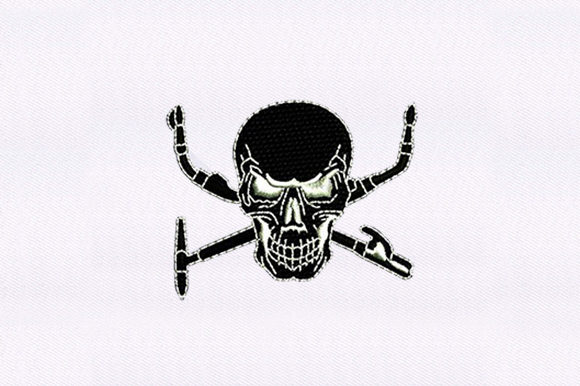
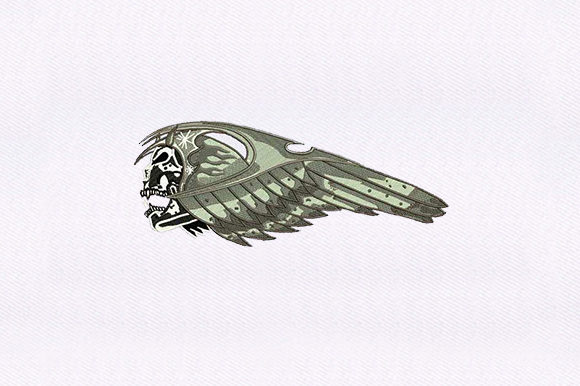
As an embroidery designer who’s developed collections for indie apparel brands and Etsy sellers for over a decade, I approached Flying Skull Wings with curiosity—not just as another Halloween-themed machine embroidery design, but as a potential signature motif for a small-batch sweatshirt line. My first impression? It’s unexpectedly balanced: edgy without being aggressive, detailed without feeling fussy, and stylized enough to read clearly at 3–4 inches—ideal for chest placement on hoodies or sleeves on oversized tees. The wings have strong upward motion, the skull is expressive but not cartoonish, and the overall silhouette carries decorative strength without overwhelming fabric real estate. It leans bold and contemporary—not classic, not cute, not rustic—but definitely premium-feeling in execution.
How Flying Skull Wings Performs Across Apparel Types
For sweatshirt embroidery, this design shines on neutral heather grays and oatmeals. Its clean outer lines and moderate stitch density hold up beautifully on fleece-backed cotton blends—no bleeding or distortion when hooped correctly. On pastel hoodies (think blush, sage, or sky blue), the contrast works especially well if you choose charcoal or deep navy thread colors; it adds subtle attitude without clashing with seasonal softness.
As a hoodie design, Flying Skull Wings reads powerfully at chest placement—centered just below the collarbone on standard-fit styles, or slightly lower on oversized silhouettes for intentional asymmetry. For sleeve accents, I tested it at 2.75" wide on a ribbed-knit cuff: it held shape well, though I recommend light tear-away stabilizer beneath the ribbing to prevent puckering. On dark garments like black denim jackets or charcoal terry cloth, the design gains depth—especially with matte black or gunmetal thread. Avoid ultra-shiny threads here; they distract from the moody, grounded vibe.
For t-shirt embroidery, keep placement strategic. On lightweight jersey, use cutaway stabilizer and reduce top tension slightly—this design has defined interior details (wing veins, skull contours) that benefit from stability. It also scales elegantly down to 2.25" for minimalist back-of-neck placements on crewnecks or cropped styles.
Flying Skull Wings translates surprisingly well to lifestyle products beyond apparel. On sturdy canvas tote bags, it anchors the upper third of the front panel with confident presence—no need for backing reinforcement unless stitching near seams. As part of a small shop product lineup, it pairs effortlessly with monochrome branding: think matching embroidered sweatshirts, matching tote + beanie sets, or even co-branded printable mockups for social media. For Etsy sellers, this design elevates visual consistency across listings—it’s distinctive enough to become recognizable, yet versatile enough to avoid pigeonholing your brand into “just Halloween.”
Where to Use Flying Skull Wings—And Where to Pause
This isn’t a one-size-fits-all embroidery file. Its wingtips and skull outline are crisp, but areas where stitches converge—like the junction of skull and left wing—carry higher stitch density. On stretchy fabrics (e.g., cotton-Lycra blends), test first: dense zones may resist recovery after hooping. Likewise, avoid placing directly over curved surfaces like shoulder seams or deep neckline dips unless you’re willing to re-hoop mid-stitch—a nonstarter for production efficiency.
On ribbed fabric or textured fleece, stabilize generously. A lightweight cutaway plus topping (like water-soluble film) keeps surface detail sharp and prevents thread snagging in loops. And while Flying Skull Wings looks striking on dark garments, verify your thread color contrast before bulk stitching—some charcoal grays disappear on heather black unless you go slightly warmer or cooler in tone.
Impact on Brand Identity and Customer Perception
When used intentionally, Flying Skull Wings does more than decorate—it signals creative confidence. For a custom apparel brand building a boutique identity, this design helps establish visual rhythm: repeat it across hoodies, tote bags, and even packaging tags to reinforce recognition. Buyers respond to craftsmanship cues—clean edges, consistent tension, thoughtful placement—and Flying Skull Wings, when executed well, delivers all three.
It also quietly builds buyer trust. Unlike overly busy or pixelated embroidery files, this one feels professionally digitized: no floating stitches, no jagged curves, no unnecessary underlay clutter. That polish tells customers your handmade product is worth the price point—even before they touch the fabric.
Practical Designer Notes Before You Stitch
- Test on scrap fabric—especially if using new garment stock. Fleece, terry, and ribbed knits behave differently than quilting cotton.
- Confirm stabilizer choice: Cutaway for knits, tear-away for stable wovens, and always add topping for high-detail zones.
- Review thread color contrast against your base fabric—not just on screen. Natural light changes everything.
- Check hoop size requirements in the Creative Fabrica embroidery listing. Some versions may require larger hoops than expected for full-wing clearance.
- Inspect stitch density visually in your embroidery software—if interior fills look overly saturated, consider slight under-stitch reduction for breathability on wearables.
- Test on similar garment fabric before committing to a full run. Even minor fiber variations affect drape and stitch definition.
- Compare placement options across garment types: chest, sleeve, back yoke, or even pocket flap—each changes the mood entirely.
- Verify licensing terms on the Creative Fabrica page before selling finished apparel. Commercial embroidery rights vary by seller.
Final Thoughts for Creative Entrepreneurs
Flying Skull Wings isn’t just a Halloween embroidery—it’s a flexible, mood-driven asset for digital embroidery file collections. Used thoughtfully, it strengthens brand identity, supports commercial embroidery scalability, and adds memorable texture to printable mockups and social media graphics. Whether you’re launching a cozy autumn capsule or building year-round signature pieces, this design earns its place in a curated library—not as filler, but as a considered accent with personality, precision, and quiet staying power.