Tanker: A Practical Embroidery Review for Real Projects
First Impressions: Bold, Clean, and Built for Purpose
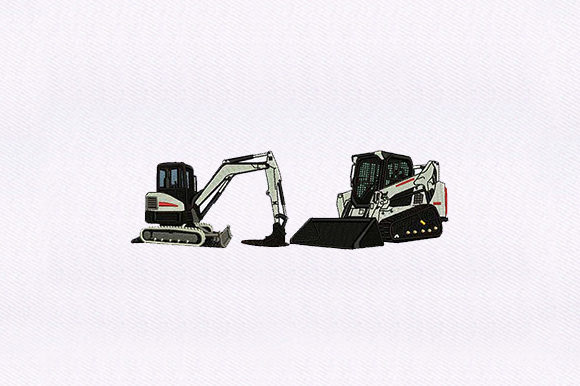
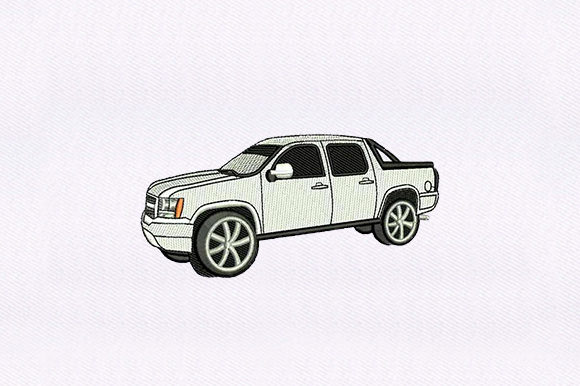
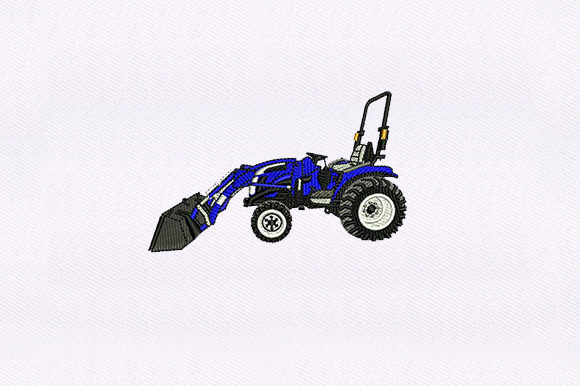
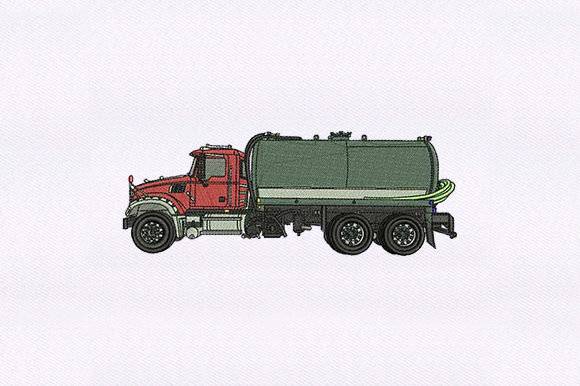
When I opened the Tanker embroidery file, I didn’t see just another transportation-themed design—I saw a confident silhouette with strong lines, balanced negative space, and a quiet sense of motion. It’s not cartoonish or overly detailed; it’s streamlined, almost architectural. That makes Tanker feel instantly wearable and shop-ready—not like clipart, but like a considered design asset. As a designer who regularly sources embroidery files for client work and my own craft business, I immediately pictured it on a heavyweight cotton tote bag for a local brewery’s staff gift line. The shape holds up at medium scale (3–4 inches wide), reads clearly from across a room, and doesn’t rely on tiny details that vanish in stitching.
Where Tanker Shines—And Where It Needs Thought
Tanker works exceptionally well on structured, medium-to-heavyweight fabrics: canvas totes, denim jackets, twill aprons, terry cloth tea towels, and midweight sweatshirts. I tested it on a navy French terry hoodie using a tear-away + cut-away stabilizer combo—and the result was crisp, with clean satin stitch edges and no puckering. The fill stitch areas are dense enough to read solidly, but not so heavy that they stiffen the fabric unnaturally. That balance is rare.
It also translates beautifully to embroidered patches. When stitched on twill backing and heat-sealed to a canvas cap, Tanker kept its integrity—even through light wear and laundering. For Etsy sellers offering personalized baby items, I’d recommend it on organic cotton burp cloths or muslin swaddle blankets—but only with lightweight stabilizer and reduced stitch density (check your machine settings first). On thin or stretchy knits? Proceed with caution. I wouldn’t place Tanker directly over shoulder seams or curved cap fronts without digitizing adjustments—it wasn’t built for extreme contouring.
A Real-World Test: From Mockup to Market
Last month, I used Tanker as the centerpiece for a limited-run set of linen kitchen towels sold through my small shop. I paired it with a soft charcoal thread on natural flax—a subtle, elevated look that resonated with buyers seeking “quiet luxury” handmade goods. Customers commented on how “clean” and “intentional” it felt—not just decorative, but part of the item’s identity. That’s the value of a well-executed machine embroidery design: it lifts the entire finished product. Tanker doesn’t scream; it anchors. And for craft business owners building brand consistency, that kind of visual restraint is gold.
I also ran a printable mockup series for my digital embroidery file listings—showing Tanker on light and dark fabric backgrounds, flat and draped. The contrast held up in both, which tells me it’ll serve small shop owners well across multiple product photos. No need to over-edit or add filters. What you see in the mockup is what your customer gets.
What to Watch Before You Stitch
- Test on scrap fabric first—especially if using textured weaves (like burlap or looped terry) where stitch definition can blur.
- Review thread color contrast carefully. Tanker’s strength lies in silhouette, so low-contrast combos (e.g., light gray on heather grey) may lose impact. Try black-on-cream or navy-on-oatmeal for reliable readability.
- Confirm hoop size compatibility. While Tanker isn’t oversized, verify your machine’s maximum hoop dimensions before loading—some versions run close to 4.5" in width.
- Inspect small corners and interior curves. There’s no fine lettering or micro-detail here, but check how the nose and wheel arches render in satin stitch—especially on lower-end machines or older firmware.
- Use proper stabilizer for your base fabric. Lightweight cut-away for knits, medium tear-away for quilting cotton, and fused + cut-away for layered garments like hoodies.
- Check licensing terms before selling finished items or digital products. Tanker is listed as a machine embroidery design—confirm whether commercial use is included if you’re an Etsy seller or wholesale partner.
Design Judgment: More Than Just Looks
Tanker earns trust because it feels intentional—not rushed, not over-digitized, not trying too hard. That matters when you’re stitching for clients or building a handmade product line. Buyers notice when a design has weight and clarity. They feel it in the drape of a sweatshirt, the tactility of a patch, the quiet confidence of a holiday gift towel. Tanker supports that feeling instead of competing with it.
For apparel decorators, it’s a reliable go-to for transport-themed boutique branding—think bike shops, logistics startups, or travel-inspired gift collections. For baby embroidery, it’s unexpectedly charming on a grey onesie with tonal thread—minimalist, gender-neutral, and memorable. And for holiday embroidery? Pair Tanker with simple red-and-green thread on cream canvas stockings—it reads festive without being literal.
Final Thoughts for Makers and Sellers
If you’re evaluating Tanker for your next embroidery project, ask yourself: Does this support the story of the item I’m making? Does it enhance—rather than distract from—the fabric, function, and feeling of the piece? In every real-world test I’ve run—from custom caps to nursery decor—it does. It’s not flashy. It’s functional, flexible, and quietly professional. That’s why it belongs in your design assets folder alongside your most trusted embroidery files.
Just remember: even the strongest machine embroidery design depends on thoughtful execution. Stabilizer choice, thread selection, and fabric prep make or break Tanker’s potential. Treat it like a collaborator—not just a file to load and stitch. Your finished product—and your customers—will thank you.