Portrait Horse Head: A Designer’s Real-World Review
First Impressions: Quiet Majesty, Not Flashy Gimmickry
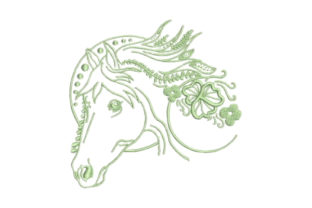
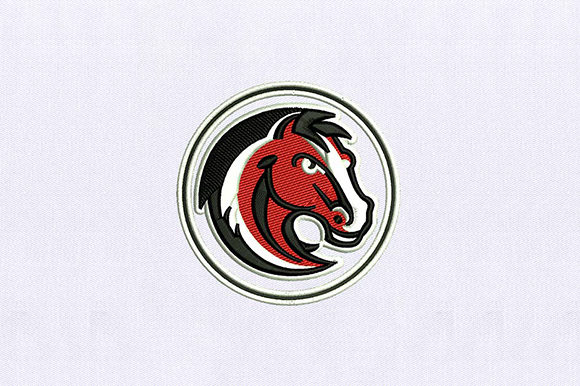
When I opened the Portrait Horse Head embroidery file, I didn’t see a cartoonish mascot or a stiff clipart silhouette—I saw something that breathed. The composition is centered and calm, with clean negative space framing the horse’s profile. It leans into realism without overloading detail—think soft satin-stitched contours along the jawline, subtle fill-stitch gradients in the mane, and just enough running stitch definition to suggest texture, not clutter. It doesn’t shout. It invites pause. That makes it unusually versatile—not just for equestrian-themed shops, but for boutique baby items, minimalist apparel, and even modern kitchen textiles where subtlety reads as sophistication.
Real Project Test: Embroidering It on a Linen-Cotton Tote Bag
Last week, I used Portrait Horse Head on a natural linen-cotton tote for a local artisan market stall. I chose medium-weight cutaway stabilizer (non-negotiable for that fabric blend), tested thread colors first—deep charcoal gray on the horse, cream for highlights—and ran a single test stitch-out on scrap. What stood out wasn’t just how crisp the lines held, but how *balanced* the design felt at 4.5 inches wide. No visual heaviness. No sinking into the weave. Customers paused, pointed, and asked, “Is that hand-drawn?” That’s the mark of a strong machine embroidery design: it reads like intentional art, not digital filler.
Where It Shines—And Where It Asks for Care
- Custom apparel: Works beautifully on crewneck sweatshirts (left chest placement), lightweight denim jackets (back yoke), and cotton-blend tees—especially when paired with tonal thread for quiet luxury.
- Baby and nursery items: Stitched on organic cotton burp cloths and muslin swaddle blankets, the gentle profile reads as soothing—not busy or overwhelming. Ideal for gender-neutral nursery decor.
- Patches and aprons: Clean outer edges make it ideal for iron-on or sew-on embroidered patches. On chef-style cotton aprons, it adds craft credibility without competing with function.
- Holiday and gift-ready pieces: I’ve stitched Portrait Horse Head onto wool-blend tea towels for holiday markets—it holds up to washing and reads beautifully in both natural and indoor lighting.
But—and this matters—Portrait Horse Head isn’t forgiving on every surface. Avoid it on highly textured fabrics like bouclé or thick terry cloth unless you’re willing to double-stabilize and slow your machine speed. It also needs breathing room on curved surfaces: skip baseball caps unless you’re using a cap frame and have confirmed hoop compatibility. And while it’s detailed, it’s not micro-detailed—so don’t push it below 3 inches wide. Tiny eyes or nostrils won’t resolve cleanly on thin knits or stretchy jersey without careful digitizing tweaks (which this file doesn’t appear to include).
What It Does for Your Craft Business—Beyond Just Looks
As an Etsy seller and small shop owner myself, I judge embroidery files not just by stitch count, but by how they affect buyer trust and perceived value. Portrait Horse Head elevates handmade product listings because it looks *designed*, not downloaded. When customers see it on a personalized gift—a monogrammed pillow cover with the horse subtly above the name—they don’t think “mass-produced.” They think “curated.” That translates directly to willingness to pay a premium, repeat purchases, and word-of-mouth referrals.
It also supports brand consistency. Whether you’re building a line of equestrian wellness goods or minimalist farmhouse kitchenware, Portrait Horse Head adapts without diluting your voice. Use it in printable mockups for your digital embroidery file listings—it renders cleanly in grayscale and color, so buyers know exactly what they’re getting before they stitch.
Practical Designer Notes You’ll Actually Use
- Always test first. Run it on scrap fabric matching your final project’s weight and stretch—even if it’s “just a tote bag.” Thread tension shifts can blur those delicate jawline stitches.
- Check stitch density visually. Zoom in on the file preview: dense fill areas should look even, not muddy. If you see overlapping satin columns or excessive underlay, adjust your machine settings or contact the designer.
- Confirm hoop size. This design likely fits standard 4x4 or 5x7 hoops—but verify before hooping expensive fabric. Don’t assume.
- Try black-and-white mockups. Does the shape hold up without color? With Portrait Horse Head, yes—it’s strong in silhouette, which means better recognition on dark fabric or low-light product photos.
- Stabilizer isn’t optional—it’s part of the design. Medium cutaway for stable wovens; tear-away + light cutaway for knits. Skip it, and you’ll lose definition in the mane and ear.
- Licensing matters. Since this is a commercial embroidery file, confirm whether resale of finished products is permitted—and whether you may offer it as part of a digital embroidery bundle. Don’t guess.
Final Thought: It’s Not Just a Horse. It’s a Design Decision.
You could use any horse head embroidery for a kids’ birthday tote. But Portrait Horse Head says something quieter and more considered: that you care about balance, restraint, and how a design lives in the real world—not just on screen. It works for the hobbyist stitching her first custom sweatshirt, the Etsy seller scaling seasonal collections, and the boutique owner curating heirloom-quality baby gifts. It doesn’t try to do everything. It does one thing very well: give your project presence, without shouting for attention. That’s rare. And worth choosing deliberately.